Hades II and the Cost of Early Access Transparency
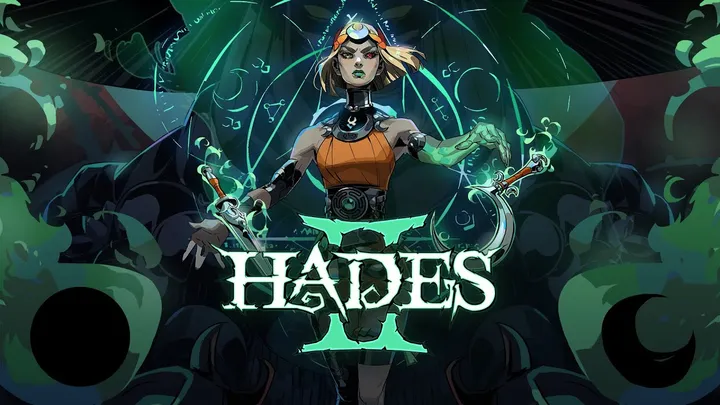
How Supergiant’s Open Development Strategy Is Reshaping Player Expectations
Introduction
Hades II entered Early Access carrying one of the heaviest burdens any game can inherit: the legacy of a genre-defining predecessor. Hades was not just successful; it redefined how roguelikes could blend narrative, character development, and mechanical depth into a cohesive whole. When Supergiant Games announced Hades II, expectations were already sky-high—but the studio made a crucial, controversial decision early on. They chose radical transparency.
This article examines one specific issue surrounding Hades II: how its unusually transparent Early Access development has reshaped player expectations, feedback dynamics, and long-term trust—and why this strategy is both risky and transformative for the industry. Rather than focusing on gameplay basics, this analysis follows the timeline of Hades II’s Early Access journey and explores how open development has become both its greatest strength and its most dangerous gamble.
1. The Context: Why Hades II Entered Early Access Differently
Supergiant Games did not need Early Access to fund Hades II. Financially and reputationally, the studio could have launched a polished 1.0 version without community involvement. That makes their decision significant.
A deliberate philosophical shift
Unlike many Early Access titles that rely on player money to complete development, Hades II uses Early Access as a design conversation, not a survival mechanism. Supergiant framed the launch as a collaborative process, explicitly telling players that mechanics, balance, and even narrative structure were subject to change.
The shadow of Hades
The original Hades set a precedent: tight balance, emotionally resonant storytelling, and an ending that felt earned. Players entered Hades II expecting not just quality, but immediate completeness, a standard that conflicts directly with Early Access realities.
This tension defines the core issue: transparency invites understanding—but it also exposes imperfection.
2. Early Access as a Promise, Not a Product
From day one, Supergiant avoided vague roadmaps and marketing buzzwords. Instead, they published detailed patch notes, design explanations, and open acknowledgments of unfinished systems.
Transparency changes the psychological contract
When a studio explains why something is unfinished, players no longer judge only what exists—they judge the decision-making process. This shifts criticism from emotional reactions to analytical debates.
The risk of over-communication
The more transparent a studio becomes, the more players expect constant progress. Silence becomes suspicious. Delays feel personal. Transparency raises the emotional stakes.
Hades II’s issue is not lack of content—it is the burden of visible development.
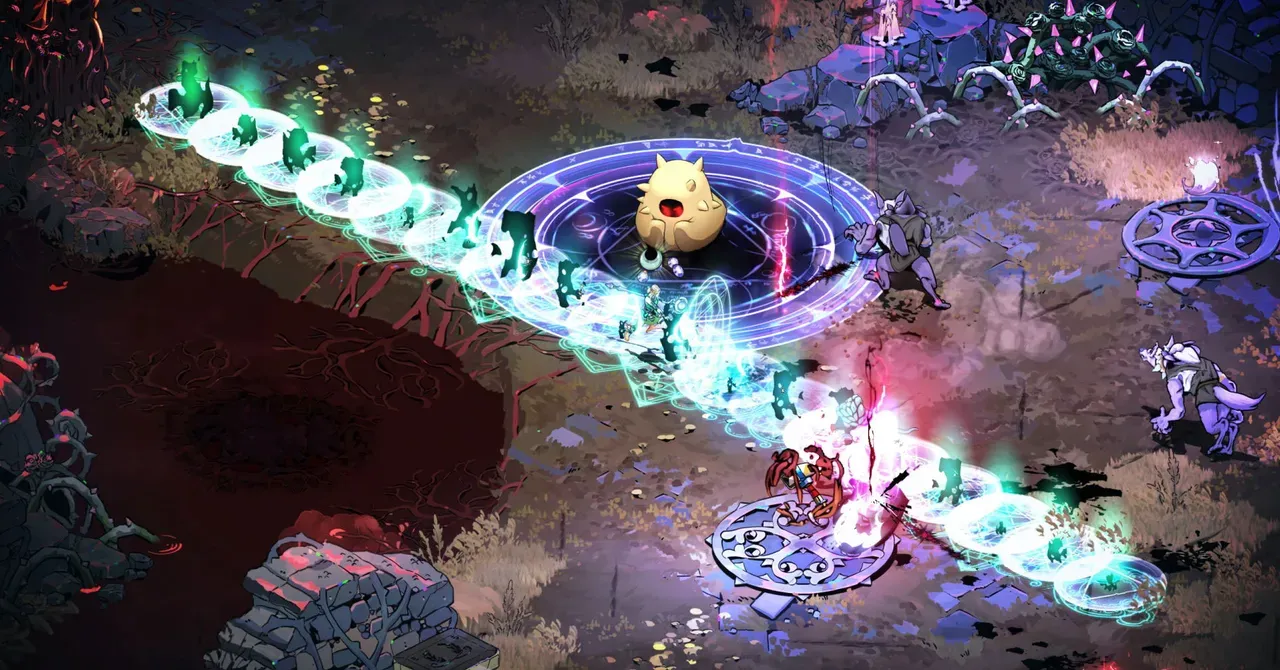
3. The Balance Problem: When Players See the Math
One of the earliest flashpoints in Hades II’s Early Access was balance, particularly around:
- Boon synergies
- Weapon scaling
- Difficulty spikes in late-night cycles
When iteration becomes public spectacle
In closed development, balance changes are invisible. In Hades II, every adjustment sparked debate. Players compared versions, posted spreadsheets, and argued over intent.
Expert players vs. narrative players
Transparency empowered hardcore players to optimize aggressively, sometimes clashing with Supergiant’s narrative-driven pacing. The studio had to navigate between:
- Mechanical mastery
- Emotional rhythm
- Accessibility for newcomers
Balance stopped being just a design task—it became a public negotiation.
4. Narrative Exposure: Storytelling Before Completion
One of Hades II’s boldest choices was allowing players to experience partially implemented story arcs.
Fragmented storytelling as a design risk
Unlike mechanical systems, story suffers when incomplete. Players form interpretations early, sometimes locking in opinions before arcs resolve.
Sub-issues included:
- Characters introduced without payoff
- Placeholder dialogue misread as final tone
- Emotional beats landing without context
Trust as the currency
Supergiant relied heavily on trust: players had to believe that unfinished narratives would eventually cohere. Transparency worked only because the studio’s past credibility carried weight.
For less established developers, this approach could be catastrophic.
5. Community Feedback vs. Creative Authority
Early Access invites feedback—but not all feedback should be followed.
The illusion of democratic design
Some players assumed transparency meant shared control. When Supergiant rejected popular suggestions, backlash followed—not because decisions were bad, but because expectations were misaligned.
Filtering signal from noise
The studio had to:
- Distinguish frustration from insight
- Identify systemic issues vs. preference-based complaints
- Maintain creative vision without appearing dismissive
This highlights a critical industry lesson: listening does not mean obeying.
6. Update Cadence and the Anxiety of Waiting
Frequent updates initially reassured players. Over time, they created pressure.
The rhythm problem
Too many updates:
- Encourage short-term judgment
- Prevent players from settling into systems
Too few updates:
- Fuel speculation
- Invite doom-posting and negativity
Hades II’s transparent roadmap became a double-edged sword—helpful, but also a ticking clock.
7. Comparisons That Hurt: Hades I as a Benchmark
Every Early Access build of Hades II was inevitably compared to the finished Hades.
An unfair comparison loop
Players compared:
- Early Hades II combat to endgame Hades I builds
- Incomplete story arcs to fully resolved character journeys
- Experimental systems to perfected mechanics
Transparency made these comparisons unavoidable. The studio essentially invited players behind the curtain—where magic is still being assembled.
8. Media Coverage and the Early Access Echo Chamber
Because Hades II is high-profile, Early Access impressions spread fast.
Headlines solidify opinions early
Even when labeled “Early Access,” articles and videos framed opinions that stuck. First impressions hardened into narratives.
This creates a unique risk:
- Early criticism can outlive fixes
- Public memory lags behind development reality
Transparency amplified visibility—but also magnified early flaws.
9. Long-Term Trust vs. Short-Term Satisfaction
Supergiant appears willing to sacrifice short-term praise for long-term trust.
A calculated bet
By exposing the messy middle of development, the studio signals confidence in its process. If the final release delivers, Early Access criticism becomes proof of growth.
If it doesn’t, transparency will be remembered not as honesty—but as overconfidence.
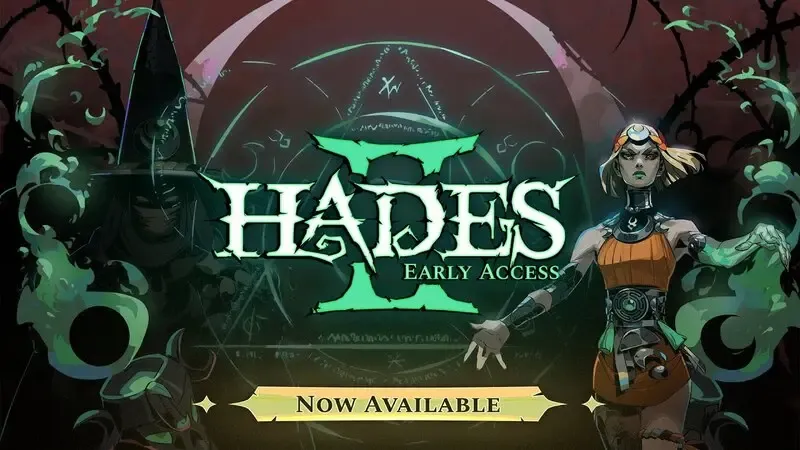
10. What Hades II Means for the Future of Early Access
Hades II may redefine expectations for what Early Access can be.
Industry implications
Other studios may feel pressure to:
- Communicate more openly
- Share unfinished systems
- Justify design decisions publicly
But transparency is not a shortcut—it requires:
- Strong internal vision
- Emotional resilience
- Community management discipline
Without these, openness becomes chaos.
Conclusion
Hades II’s Early Access is not controversial because it is unfinished—it is controversial because it is visible. By exposing balance debates, narrative scaffolding, and design uncertainty, Supergiant Games has turned development itself into part of the player experience.
The core issue is not whether transparency is good or bad. It is whether players—and developers—are ready for the responsibility that comes with it.
If Hades II succeeds, it will prove that honesty can coexist with excellence. If it fails, it will remind the industry that some magic is fragile when observed too closely.
Either way, Hades II is not just a sequel. It is an experiment in trust.
160-character summary
Hades II’s radical Early Access transparency reshapes player expectations, exposing unfinished systems and redefining trust between developers and communities.